
Unlocking the Secrets of Clinical Trial Management: Insider Insights from an Industry Veteran | MatchDay Health
In the latest episode of the Dream Job podcast, we had the pleasure of hosting Tiffany Ashton, a seasoned professional with over 20 years of experience in the clinical research industry. Tiffany shared her wealth of knowledge, offering invaluable insights into the day-to-day responsibilities, essential qualities, and career pathways for aspiring clinical trial managers
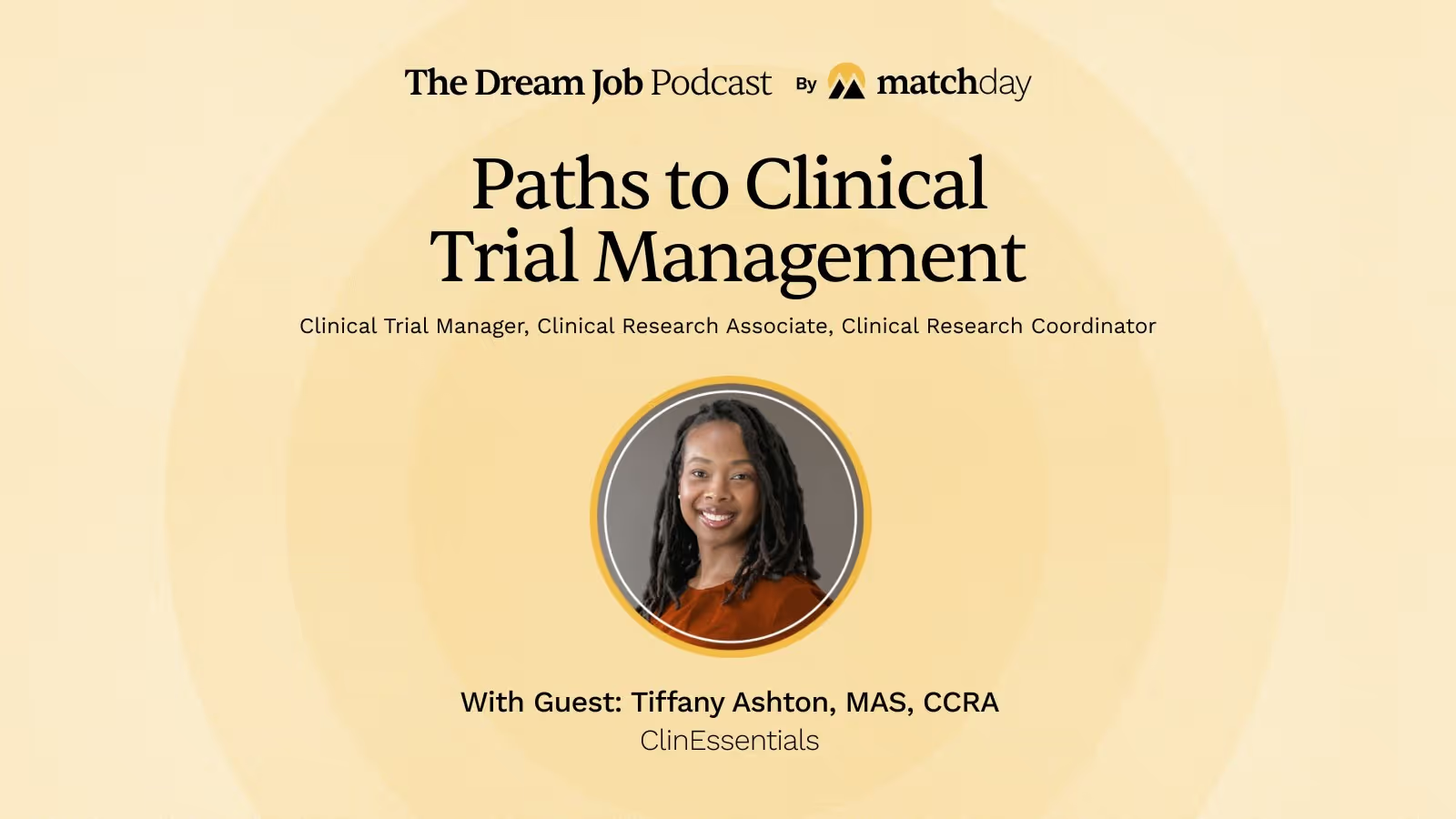
Are you intrigued by the world of clinical research and curious about what it takes to become a successful clinical trial manager (CTM)? Look no further! In the latest episode of the Dream Job podcast, we had the pleasure of hosting Tiffany Ashton, a seasoned professional with over 20 years of experience in the clinical research industry. Tiffany shared her wealth of knowledge, offering invaluable insights into the day-to-day responsibilities, essential qualities, and career pathways for aspiring clinical trial managers.
The Demanding Yet Rewarding Role of a Clinical Trial Manager
As the lead and overarching authority for a study, a clinical trial manager's role is both challenging and rewarding. Tiffany painted a vivid picture of the clinical trial manager's responsibilities, which include overseeing multiple study sites, managing vendors, collaborating with various departments, and ensuring the study adheres to the sponsor's specifications. It's a high-pressure job that demands exceptional time management, prioritization skills, and the ability to think on your feet.
"The CTM is like running that entire thing. It's a lot of pressure that sits on your shoulder. It's not an easy job. You have to have good people skills, good time management, being able to prioritize and reprioritize. You have to be flexible," Tiffany explained.
The Qualities that Define a Successful Clinical Trial Manager
Thriving as a clinical trial manager requires a unique combination of skills and personality traits. According to Tiffany, the ideal CTM is detail-oriented, outgoing, and comfortable with taking charge and making decisions under pressure. They must possess excellent communication skills, enjoy public speaking and presenting, and have a knack for problem-solving.
"If you don't like taking charge, being in the spotlight and having to make a decision on the fly, that's not a role for you. If you don't like speaking and presenting and getting into hard conversations, that's not a role for you," Tiffany warned.
Paving the Path to Become a Clinical Trial Manager
For those aspiring to become clinical trial managers, Tiffany outlined various pathways to consider. The most common route involves starting as a clinical research coordinator (CRC), progressing to a clinical research associate (CRA), and then moving up to a lead clinical research associate role before finally becoming a clinical trial manager. Alternatively, individuals can take the administrative path, transitioning from a clinical trial assistant (CTA) to a senior clinical trial assistant and eventually a clinical trial managers.
"Entry-level ways to get in is a strategy. And it's not just going straight to the CRO and saying, 'give me a job,' because you'll probably get denied. However, it's going to the small to mid-sized companies," Tiffany advised.
Tiffany emphasized the importance of gaining experience in the nuances of clinical research and understanding the dynamics between different roles and functions. She also stressed the value of tailoring resumes and exploring opportunities at small to mid-sized companies, which may be more open to entry-level candidates.
The Financial Rewards of a Career in Clinical Trial Management
In addition to professional fulfillment, a career in clinical trial management can be financially rewarding. Tiffany provided an overview of typical salary ranges for various roles:
- Clinical Research Coordinator: $55,000 - $75,000 in community centers, up to $100,000 - $105,000 at larger institutions for those with nursing or physician backgrounds.
- Clinical Research Associate: $100,000 - $140,000 for permanent positions.
- Clinical Trial Manager: Starting at $100,000 - $120,000, with the potential to reach $180,000 - $200,000 with experience in permanent roles. Contractors can earn $90 - $150 per hour.
Beyond the Clinical Trial Manager Role
For those seeking further career advancement, Tiffany outlined potential opportunities beyond the clinical trial manager role. Project manager and associate director or director of operations positions offer higher-level responsibilities and oversight. However, Tiffany emphasized that staying in the CTM role can be equally fulfilling for those who find their passion there.
Exploring Related Careers: Medical Monitors and Medical Science Liaisons
The episode also delved into two closely related careers: medical monitors and medical science liaisons (MSLs). Medical monitors, typically physicians with clinical research experience, work alongside clinical trial managers to analyze data, review adverse events, and provide medical expertise. Their salaries can exceed $200,000, depending on the company and level of experience.
Medical science liaisons, on the other hand, play a crucial role in educating healthcare professionals about specific diseases, indications, or products. They often travel extensively and serve as a bridge between pharmaceutical companies and the medical community. MSLs with clinical research experience and relevant expertise can command salaries exceeding $150,000, with the potential to reach $200,000 or more, especially if there is a sales component.
Tiffany's Invitation to Connect and Learn More
Tiffany extended an open invitation to the Dream Job podcast audience to connect with her on LinkedIn, where she actively shares insights and engages with a network of over 17,000 followers. Additionally, Clint Essentials, the company Tiffany is affiliated with, offers a comprehensive Clinical Trial Manager training program, career services, and a wealth of educational resources on YouTube.
"I welcome the opportunity. I am heavily involved on LinkedIn. We have a clinical trial manager training program where I am the lead instructor, and I take students through the CTM responsibilities from study startup all the way through study closeout to give them the tools they need to be successful in the role," Tiffany shared.
Whether you're a seasoned professional or just starting your journey in clinical research, Tiffany's wealth of knowledge and experience is an invaluable resource. By connecting with her and exploring the resources she offers, you can gain a deeper understanding of the clinical trial management landscape and position yourself for success in this dynamic and rewarding field.
So, what are you waiting for? Tune in to the Dream Job podcast episode featuring Tiffany Ashton and embark on your journey towards unlocking the secrets of clinical trial management. Remember, the key to success lies in continuous learning, networking, and embracing the challenges that come with this exciting career path.

.avif)